
Inside Ghana’s History Lessons on Europe’s Slave Trade
A journey through Ghanaian classrooms and slave forts reveals how the history of slave trade is remembered and taught differently in Ghana and Europe.

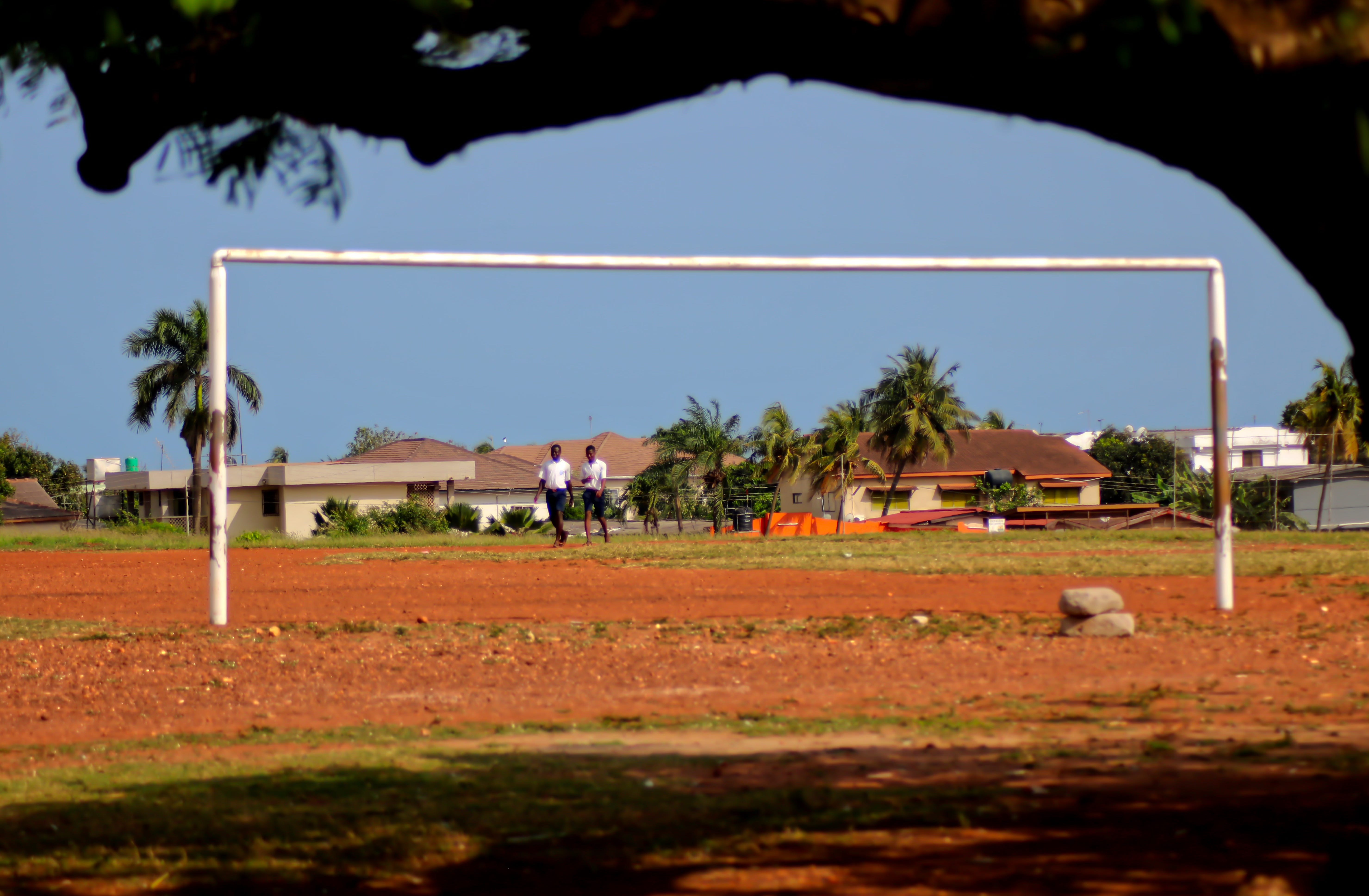
Tomorrow, the Netherlands marks Keti Koti (“the chains are broken”), the annual commemoration and celebration of the abolition of slavery in the country's former colonies. To understand how the brutal Dutch and wider European slave trade along the West African coast is remembered in Ghana, I took a seat at the back of a high school classroom, while the subject was discussed during a history lesson.
Accra — The tour guide picked his way down the steep slope with ease. A dozen tourists gently followed behind him. The air was heavy with damp inside the dungeons of Cape Coast Castle. A single shaft of light slipped through a small opening in the ceiling, cutting across the gloom. It fell on walls where centuries-old human waste had hardened into the stone itself. In the 17th century, hundreds of enslaved Africans were routinely held here in chains before being shipped across the Atlantic to the so-called New World.


Dozens of slave forts are found at Ghana’s coastline, confronting both Ghanaians and foreign visitors with the brutal legacy of European involvement in the transatlantic slave trade. Yet those same European powers barely feature in the country’s history lessons. The curriculum at St. Timothy Senior High School offered a clear example of that.
Twenty first-year pupils sat in silence as their teacher began.
“Your ancestors were driven into European dungeons under inhuman conditions. Chained together, without food or water, they sometimes marched for days before reaching the coast,” he told them.
As the lesson progressed, his voice grew sharper and the classroom quieter. But the teacher refused to lay responsibility at Europe’s feet. Instead, much of his criticism was reserved for the Ashanti, the powerful ethnic group whose kingdom once dominated much of central Ghana.
“Some of our own people acted as slave raiders for the Europeans,” he said. “They sold their own countrymen in exchange for luxury goods such as gunpowder and firearms.”
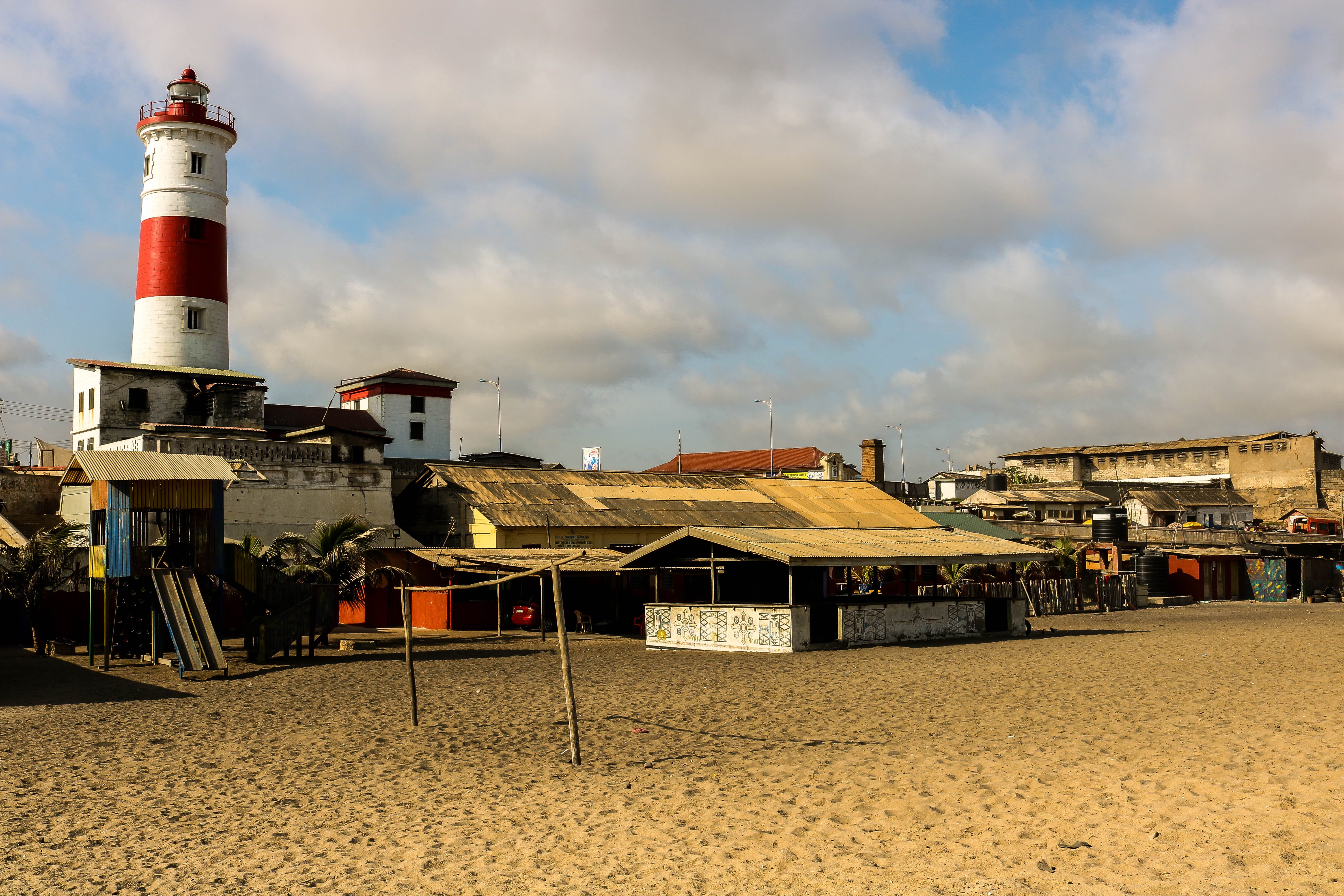
The lack of criticism towards Europeans was confusing. Coming from the Netherlands, a country that was known for its brutal slave traders at the former Gold Coast, I went looking for answers.
“Since independence in 1957, we’ve largely airbrushed Europe’s role from Ghana’s history,” said Hermann von Hesse, a Ghanaian doctoral researcher at the University of Wisconsin–Madison. His surname is itself a reminder of the European imprint on Ghana’s past.
Von Hesse understood my confusion argued that the approach of the teacher was rooted in the nationalism that shaped Ghana after independence. In seeking to reclaim the country’s own historical narrative, Ghanaian historians have often steered away from foregrounding European agency.
“For many Ghanaians, slavery is remembered as a story about Black people,” he said. “It’s a history that leaves room for anger, but not much space for European slave traders.”
But the imbalance, he added, exists on the European side as well.
“Dutch, and European schoolchildren in general, learn remarkably little about the Africans who were enslaved. That’s a loss, because slave trade is a shared history.”
Europe, he believed, could help change that.
“Ghana has always been cautious. We don’t want to offend Europe because we’re still dependent on European support. If European countries were more explicit about acknowledging their role in the slave trade in their own classrooms and beyond, it would give Ghanaian historians and teachers greater confidence to do the same.”
That’s all for now folks. I hope you’ll stick around and I greatly appreciate it if you tell a friend (to tell a friend) about this publication. Feel free to drop me a line in case of any questions or suggestions.
Warm regards,
Daaf Borren - author, analyst, former Africa correspondent.
💪🏾 👍🏾👊🏾